
Evidence-Based Counselling
for Sustainable Well-Being
Meet David Pender
BACP-Registered Counsellor
I’m an integrative counsellor based in Reading, working with adults who feel overstretched, emotionally fatigued, or stuck in patterns that no longer serve them. My background blends counselling, psychoeducation, and nervous-system-informed practice, giving clients a clear, grounded understanding of what’s happening inside them and how to change it.
I specialise in working with people who appear outwardly capable but feel inwardly overwhelmed. Many of my clients are professionals, creatives, carers, or high-responsibility individuals who have spent years pushing through stress without real recovery.
How I work
My style is warm, steady, and psychologically clean. I don’t rush your process, and I don’t offer generic advice. Instead, I help you understand the deeper architecture of your emotional world the patterns, beliefs, and physiological responses that shape your experience. Together, we explore:
How your nervous system responds to pressure
How past experiences influence current identity
How emotional fatigue affects decision-making
How to build a more regulated, confident internal state
A space where you can be yourself
Counselling is not about fixing you; it’s about understanding you. When you feel seen, heard, and understood, change becomes possible.

The Growth Model
A structured, three-stage model for emotional and identity development
Your emotional world is shaped by both your history and your biology. When stress, past experiences, and long‑standing patterns interact with your nervous system, they influence how you think, feel, and respond to life. The Growth Model offers a clear, structured way to understand your internal landscape where you are right now, why certain emotions or reactions arise, and how your system is trying to adapt. By mapping these layers, the model helps you recognise your natural direction of growth, supporting you to move from overwhelm toward clarity, regulation, and a more grounded sense of self.
Stage 1 Stabilisation
You learn how stress, fatigue, and emotional overload affect your nervous system at a biological and emotional level. When your system has been running in survival mode for too long, it becomes harder to think clearly, regulate your feelings, or stay connected to yourself. In this stage, we slow everything down. We explore the signals your body has been sending the tightening, the racing thoughts, the exhaustion, the sense of being overstretched and we begin to understand what each of those signals is asking for.
Together, we build tools for grounding, regulation, and emotional clarity. These aren’t quick fixes or surface-level techniques; they are practices that help your system settle, soften, and regain a sense of internal steadiness. You start to feel less overwhelmed, more present, and more able to respond rather than react. As your nervous system stabilises, your mind becomes clearer, your emotions feel more manageable, and your sense of self becomes easier to access. This stage creates the foundation for deeper therapeutic work, helping you feel more stable, more connected, and more able to navigate your internal world with confidence and compassion.
Stage 2 Integration
We explore the deeper patterns that shape your identity childhood experiences, relational templates, internal narratives, and emotional habits that have been quietly influencing your life for years. These patterns often formed long before you had language for them, becoming automatic ways of thinking, feeling, and responding. In this stage, we slow down enough to notice them with clarity and compassion. We look at how early relationships shaped your expectations of closeness, how past experiences informed your sense of safety, and how repeated emotional messages became the stories you tell yourself about who you are. As these layers become visible, you begin to understand why certain reactions feel so familiar, why particular situations trigger you, and why some patterns have been so hard to shift. This understanding is not about blame it is about insight. When you can see the architecture of your internal world, you gain the ability to work with it rather than against it. You start recognising choice where there once felt like inevitability. This stage helps you soften old patterns, build new ones, and move toward a more grounded, confident, and coherent sense of self.
Stage 3 Expansion
With clarity and regulation in place, you can grow into a more confident, grounded version of yourself. This stage focuses on strengthening identity, direction, boundaries, relationships, and long‑term emotional resilience. As your internal world becomes steadier, you’re able to make choices from a place of alignment rather than pressure or habit. You begin to recognise what genuinely matters to you, what no longer fits, and where your energy is best invested. Boundaries become clearer, communication becomes more honest, and relationships feel more balanced because you’re operating from a centred sense of self rather than emotional overload.
This stage is about expansion not in the sense of doing more, but in becoming more you. You develop a clearer internal compass, a stronger connection to your values, and a deeper trust in your ability to navigate life’s complexities. Emotional resilience grows naturally as your system learns to recover more quickly from stress and stay anchored during challenge. Over time, you build patterns that support long-term wellbeing: steadier thinking, healthier relational dynamics, and a more coherent identity that feels lived rather than performed. This is where growth becomes sustainable, intentional, and deeply personal.
Why this Model Works
It respects the biology of stress, the psychology of identity, and the reality of modern life. The model is structured enough to feel safe, but flexible enough to meet you exactly where you are. Many people arrive in counselling carrying years of emotional fatigue, high-functioning pressure, or patterns formed long before they had language for them. A rigid, one‑size‑fits‑all approach would miss the complexity of that experience. Instead, this model adapts to your pace, your history, and your nervous system. It recognises that growth is not linear; it moves in cycles of clarity, disruption, integration, and expansion. Some weeks you may feel steady and open, other weeks you may feel tired or uncertain all of this is part of the process.
By respecting both your biology and your story, the model helps you understand why certain emotions arise, why particular patterns repeat, and why some parts of you feel stuck while others are ready to move forward. It offers a clear therapeutic pathway without forcing you into steps that don’t fit. You are not expected to perform, achieve, or “get it right”. Instead, you are supported to explore your internal world with curiosity and compassion. Over time, this flexible structure helps you build resilience, deepen self‑understanding, and grow into a more grounded, confident version of yourself one that feels lived, coherent, and authentically yours.

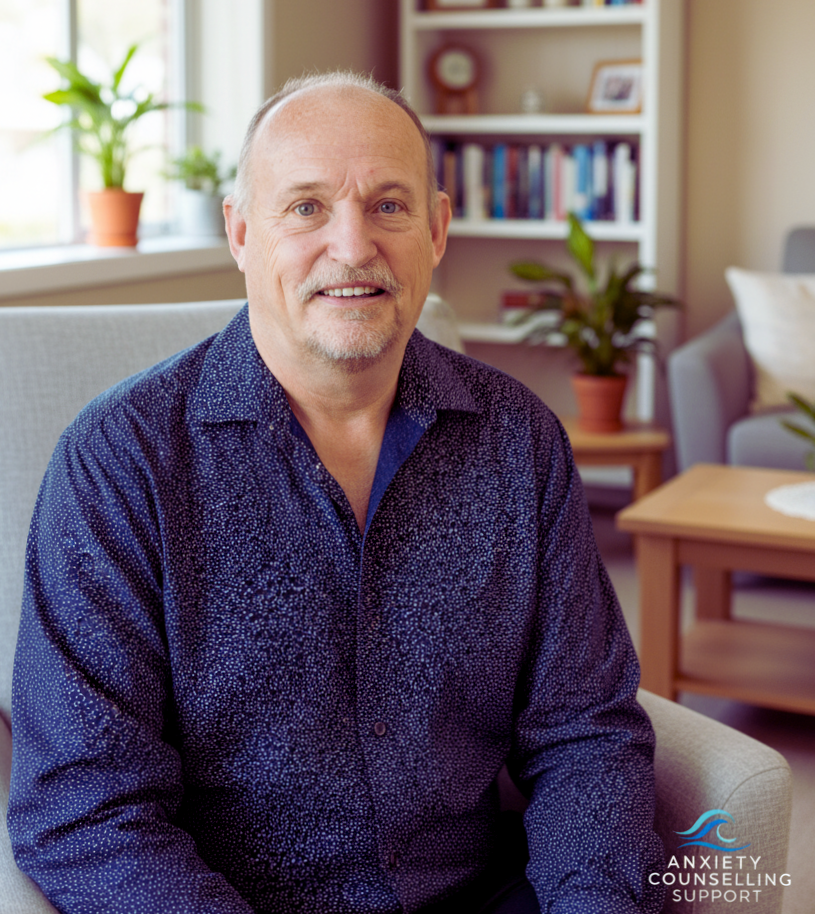
David Pender M.B.A.C.P Counsellor


Request a Confidential Consultation
Submit the brief inquiry form to initiate a collaborative assessment and determine how our expertise can address your unique counselling objectives.